
Polarized vs UV400 Sunglasses: They Solve Different Problems
Polarized and UV400 sunglasses are sold as though one is an upgrade from the other, but they solve different problems. Here is what each label means, when you need both and what to check before buying.

When one pair of sunglasses says UV400 and another says polarized, it is easy to read them as two levels of protection and assume polarization is the better, more expensive one, but the labels measure completely different things. UV400 concerns the ultraviolet light reaching your eyes, while polarization reduces the reflected glare you notice on roads, water, snow and glass.
The difference becomes obvious once you compare real products, because a cheap pair can include both features while a €395 acetate frame may promise 100% UVA/UVB protection without mentioning polarization at all. The price may tell you something about materials, construction and branding, but it does not answer whether the lenses block UV, cut glare or do both.
Quick Answer
Choose sunglasses with a clear UV400 or 100% UVA/UVB protection claim first, because that is the eye-protection feature. Polarization is a separate filter that reduces reflected glare and can make driving, fishing, skiing and bright days near water more comfortable. A pair can have both, either one alone, or neither, while lens darkness, mirror coatings and price prove nothing by themselves.
| What are you checking? | UV400 | Polarized |
|---|---|---|
| Main job | Blocks ultraviolet wavelengths up to 400 nanometres, covering UVA and UVB | Reduces strong reflected glare from flat surfaces such as roads, water and snow |
| Buying priority | The essential protection claim | An extra visibility and comfort feature |
| Most useful for | Everyday outdoor use | Driving, boating, fishing, snow and other reflective environments |
| Can it exist without the other? | Yes | Yes |
| How to verify it | Product specification, packaging or an optician’s lens test | Product specification or a rough rotated-screen check |
That last distinction matters: rotating a lens in front of an LCD screen may help you work out whether it is polarized, but it tells you nothing about UV protection.
What UV400 means
UV400 means the lens is designed to block ultraviolet light with wavelengths up to 400 nanometres, covering UVA and UVB. 100% UV protection and 100% UVA/UVB protection communicate the same practical promise for ordinary shopping.
Lens colour does not tell you whether that promise is real, because a pale lens can provide proper UV protection while a very dark one may provide little. Dark lenses without suitable UV protection are a particularly poor trade, since reduced visible light can make your pupils open wider while the UV problem remains; University of Utah Health therefore recommends looking for an explicit UV400 or 100% UVA/UVB label rather than judging by tint.
The claim still needs trust, so I would buy from a credible brand or optician and look for a recognised standard instead of accepting a tiny “UV” sticker as a scientific certificate. ISO 12312-1:2022 covers sunglasses for general use, although “UV400” on a page does not reveal which independent tests, if any, were completed.
What polarization changes
Polarized lenses contain a filter that cuts much of the intense glare reflected from surfaces such as a road, lake or snowfield, which can improve contrast and reduce squinting. The improvement can feel dramatic beside water or through a car windscreen, yet fairly ordinary while walking down a shaded street.
The filter does not block UV simply because it is polarized. The American Academy of Ophthalmology makes the distinction directly: polarization reduces glare but does not replace UV protection. Many good sunglasses combine the two, which probably explains the confusion, but both claims still need to appear in the specification.
Some phones, dashboards and other LCD displays can look unusually dark or show rainbow-like colours through polarized lenses at certain angles, so check the displays you rely on before buying a pair specifically for the car.
When should you buy both?
For everyday city wear, verified UV protection is the part I would refuse to compromise on, while polarization depends on how much glare you meet. Someone moving between cafés, shops and public transport may barely miss it, whereas a driver, angler or skier can notice the difference immediately.
I would look for both features for long drives, beaches, boats, fishing, snow or work around large reflective surfaces. For sport, good coverage and a stable fit also matter; Health Canada recommends polarization for glare around driving, snow and water, while the University of Utah notes the extra side coverage provided by wraparound frames.
Dark lenses, mirrored coatings and high prices prove less than people think
A darker tint reduces visible brightness but says nothing about UV, while a mirror finish mainly changes incoming visible light and appearance. Health Canada says UV protection cannot be judged from price, colour or darkness, and a mirrored coating gives no automatic advantage for UV protection or glare control.
This is similar to why two 100% cotton T-shirts can feel completely different: one specification can be true without telling you everything about the finished product. A £25 pair with credible UV400 and polarization claims may be more suitable on the water than a £400 fashion frame with ordinary non-polarized lenses, while the expensive pair may still have better hinges, finishing, balance and optical clarity. Compare the feature you need instead of treating price as a protection score.
Four stylish examples that make the difference obvious
These are not laboratory-tested TGK rankings or a claim that expensive frames are necessary; they are more interesting alternatives to the usual shopping-guide suspects, chosen because their specifications show how differently fashion brands use the labels. Prices and details were checked on 12 September 2026 and can change.
AKILA: confirmed UV protection without polarization
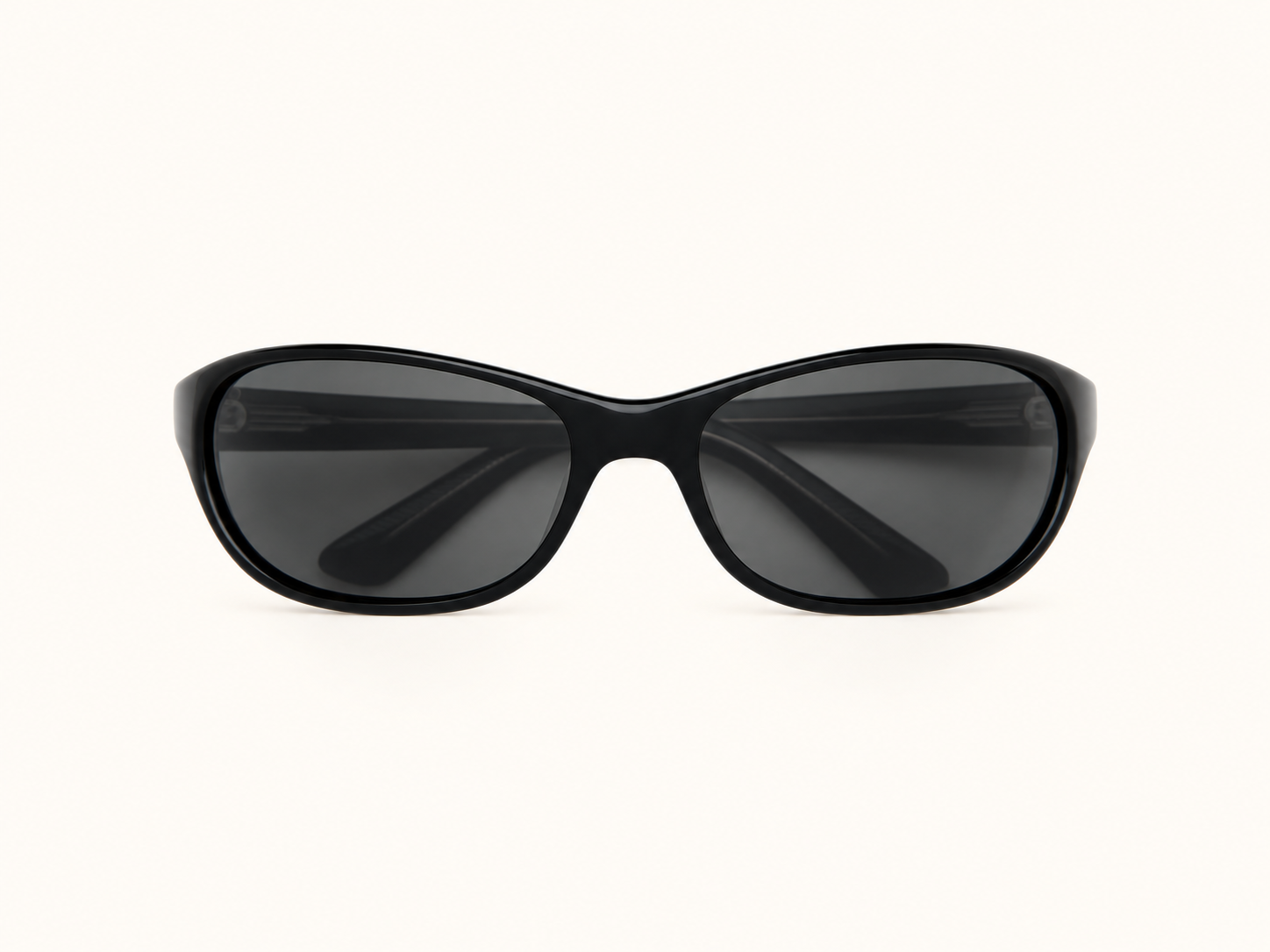
AKILA’s FAQ says that its new nylon lenses block 100% of harmful UVA and UVB light, then answers the other question separately: its sunglasses are not polarized. That makes frames such as the chunky Apollo a style-first city option when you do not need a specialist glare filter, and it proves that “not polarized” does not mean “no UV protection.”
Port Tanger Isa: a premium fashion frame with a clear UV claim
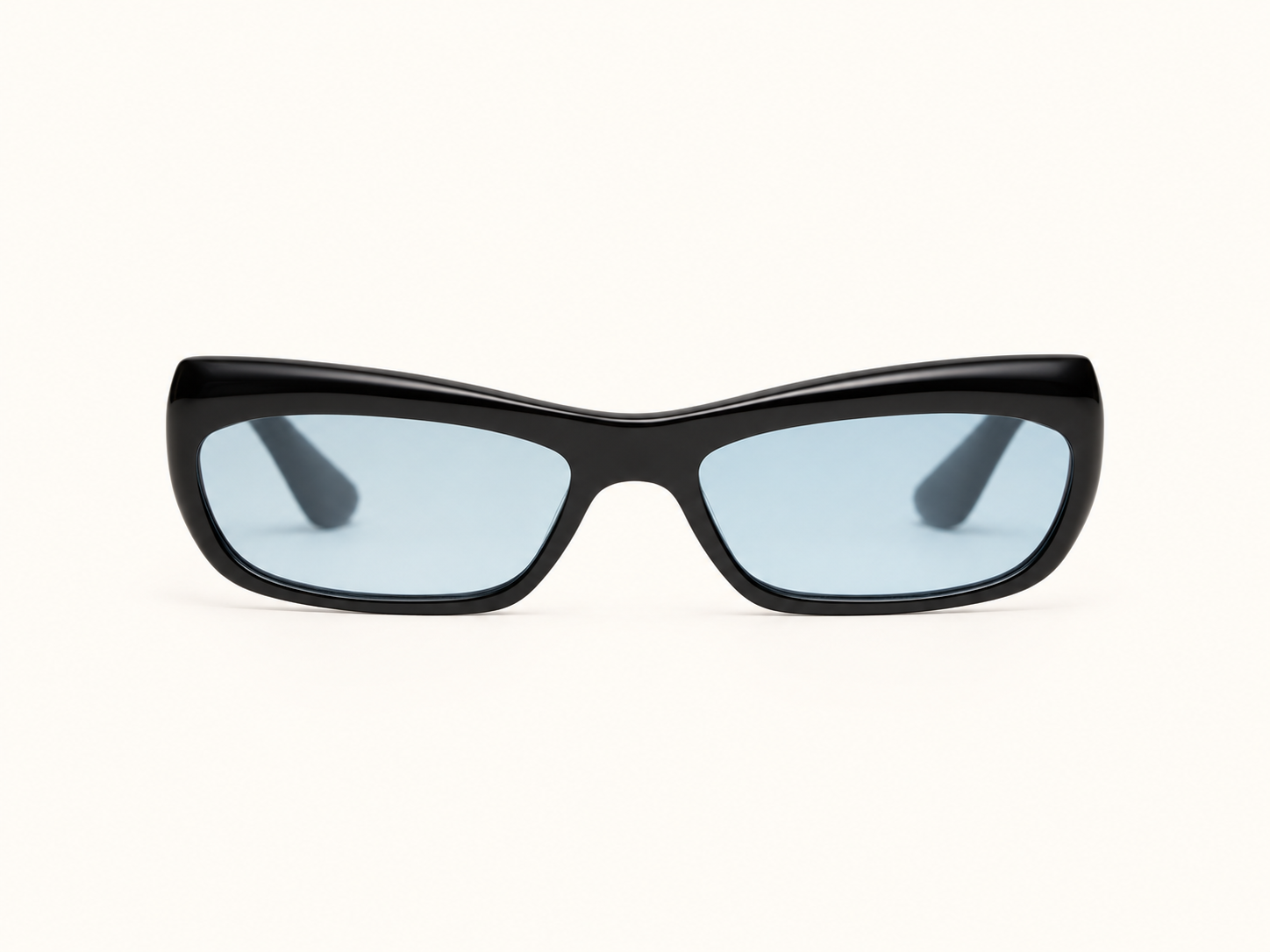
The Port Tanger Isa costs €395 in black acetate with a Rif Blue lens, Japanese construction, and stated 100% UVA/UVB protection. The page makes no polarization claim for this version, so I would not promise a glare benefit the brand has not listed.
Retrosuperfuture 8M1P/SR: serious lens details, still no polarization claim
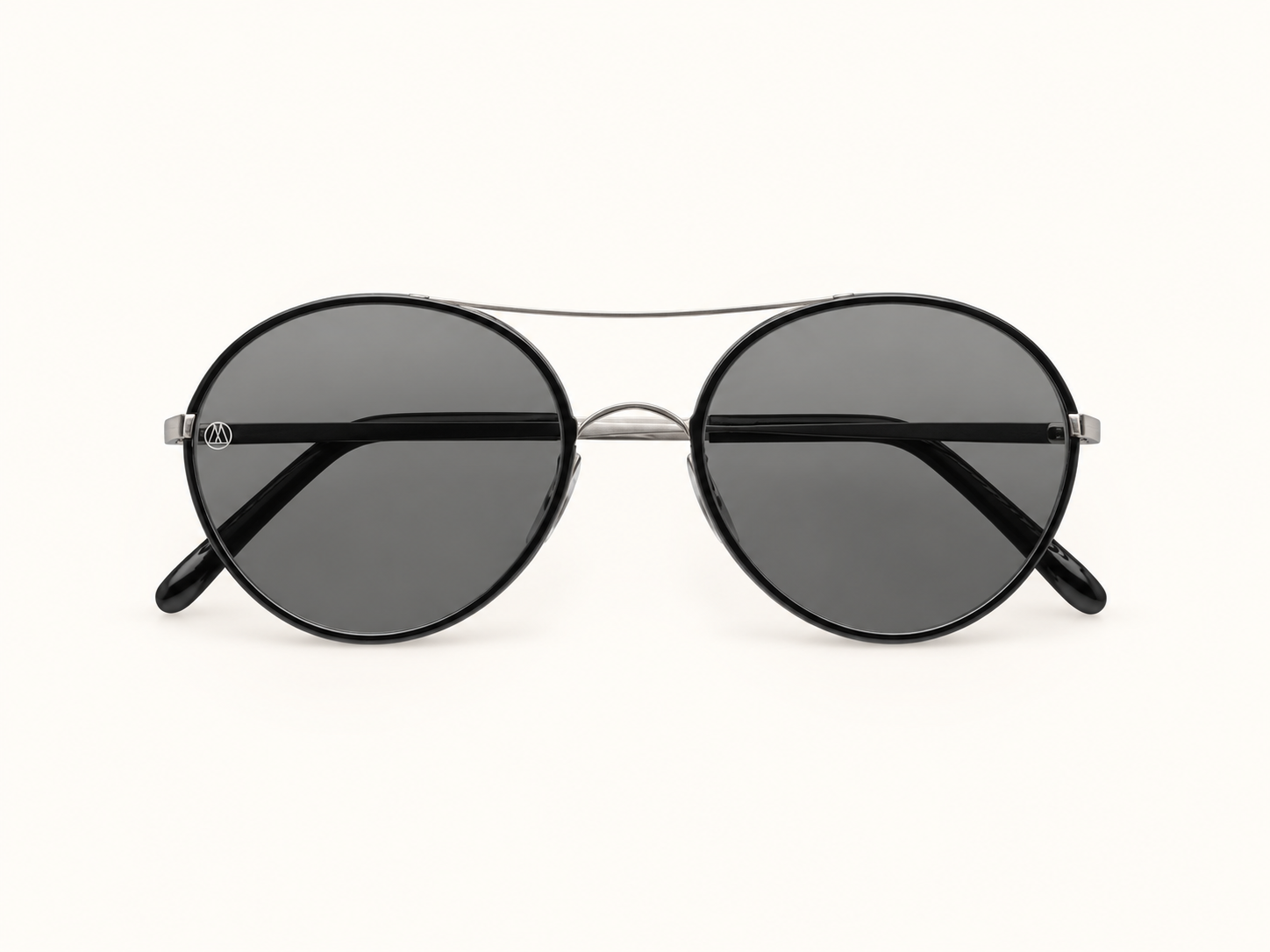
Retrosuperfuture’s 8M1P/SR was listed at €385 with Barberini tempered mineral-glass lenses, anti-reflective treatment, infrared protection and 100% UV protection. Polarization is not listed, which is why even an impressive technical description needs reading line by line.
MOSCOT Lemtosh Sun-Polarized: the clue is finally in the name

The MOSCOT Lemtosh Sun-Polarized was listed at $420 with polarized G-15 glass lenses, making it the clearest fashion-first option here when glare matters. MOSCOT describes its sunglasses as UV-protective, but the listing I checked did not display the same precise 100% UVA/UVB figure found on the AKILA and Port Tanger pages, so I would confirm the exact rating before purchase.
How to check sunglasses you already own
Check the product page or packaging for UV400, 100% UV protection or 100% UVA/UVB protection. If the pair is old, unbranded or vague, an optician can test the lenses with a photometer; the University of Utah describes this as a quick test that may be offered free, which beats judging protection from tint at home.
For polarization only, look through one lens at an LCD screen and slowly rotate the frame about 90 degrees. A polarized lens will usually make the display darken at one angle, although screens vary, so treat this as a rough check rather than certification. Moving the lenses across straight floor tiles can reveal visible bending or distortion, as Health Canada suggests, but that checks optical quality rather than UV protection.
Final Verdict
UV400 and polarization are not competing grades, because UV400 concerns ultraviolet protection while polarization concerns reflected glare. Buy a credible UV400 or 100% UVA/UVB pair first, then add polarization when driving, sport, travel or time near water makes glare a real problem.
If the product page says only “polarized,” ask about UV protection; if it says only “UV400,” do not expect polarized performance; and if it says nothing precise because the brand would rather tell you about the celebrity wearing it, spend your money somewhere that can answer a very basic lens question.
Sources
- American Academy of Ophthalmology: Sunglasses guidance
- University of Utah Health: How to tell whether sunglasses protect your eyes
- Health Canada: Sunglasses and sun safety
- ISO 12312-1:2022: Sunglasses for general use
- AKILA: Lens materials, UV protection and polarization FAQ
- Port Tanger: Isa product specifications
- Retrosuperfuture: 8M1P/SR product specifications
- MOSCOT: Lemtosh Sun-Polarized listing


