5 Underrated Games Worth Playing
Five games we’d recommend, with personal TGK scores, what we liked and disliked, public review ratings, current PC prices and where to play.

Sleeping Dogs lets you play an undercover cop in Hong Kong, beat up Triad members, and jump between cars during a chase, which is a pretty good way to spend an evening. It’s one of five games I’d recommend if you missed them, although there are parts of each that annoyed me.
Quick Answer
Sleeping Dogs is the easiest recommendation here for an open-world game, while Midnight Suns and Driver: San Francisco are worth trying for their tactical combat and driving. Spec Ops: The Line has the strongest story for me, and Mirror’s Edge comes last because its fighting gets in the way of the movement I enjoy.
The TGK scores are personal ratings out of ten from my original notes, alongside Metacritic’s PC critic scores for comparison. Sleeping Dogs’ public rating belongs to the 2012 original, while the edition sold below is the 2014 Definitive Edition.
| Game | TGK personal score | TGK take | PC critic score |
|---|---|---|---|
| Marvel’s Midnight Suns | 9/10 | Tactical battles and character relationships won me over; the longer conversations still drag. | 83/100 |
| Sleeping Dogs | 9.5/10 | We recommend it for Hong Kong, the martial arts and Wei Shen’s undercover story, although the driving is weaker. | 80/100 — original |
| Driver: San Francisco | 8.5/10 | Shift, arcade driving and the story kept me interested; a few missions were irritating. | 80/100 |
| Mirror’s Edge | 7.8/10 | I liked the parkour, design and music, but the combat and short story make it my weakest recommendation here. | 81/100 |
| Spec Ops: The Line | 9.8/10 | The story had the strongest effect on me, enough to outweigh the conventional shooting. | 76/100 |
Several were reviewed well when they came out, so this list is about games I think deserve more attention rather than pretending nobody recognised their strengths.
How TGK Rates Games
Our rating method gives gameplay and story the most influence, with four categories scored out of ten and combined into a weighted average. The breakdown makes it easier to see why we recommend a game, especially when its story impresses us more than its combat or its movement works better than its missions.
| Category | Weight | What we judge |
|---|---|---|
| Gameplay | 40% | Controls, combat, driving or movement, and how enjoyable the main activities are. |
| Story and characters | 30% | Writing, character development and whether the story holds our interest. |
| Design and atmosphere | 20% | Visual style, setting, music and sound. |
| Pacing | 10% | Repetition, downtime and how consistently the missions stay enjoyable. |
TGK score = Gameplay × 0.4 + Story × 0.3 + Design × 0.2 + Pacing × 0.1.
Category marks of 8, 9, 8 and 7 would produce 8.2/10, with the result rounded to one decimal place. When several TGK members have played and scored the same game, we give each reviewer equal weight and average their calculated results before rounding the final score.
The scores currently shown in this article are the personal verdicts from our original notes, because we haven't yet assigned the four category marks. They remain labelled as personal scores until that breakdown is available, and applying the formula may change their order: Spec Ops' conventional shooting could bring its calculated score below its original 9.8/10, despite how strongly its story affected me.
Our Experience With These Games
The Midnight Suns, Driver, Mirror’s Edge and Spec Ops sections come from my own play, while Sleeping Dogs combines my original notes with other TGK members’ hands-on experience. I watched a playthrough when writing those notes, so its 9.5/10 began as an impression from watching; the comments here about playing it come from members of the team who did. A watched playthrough doesn't qualify as a hands-on reviewer score in our calculated average.
Where to Play and What They Cost
The prices below are US-dollar Steam prices checked on 12 October 2026, using SteamDB’s currency tables for Midnight Suns, Sleeping Dogs: Definitive Edition and Mirror’s Edge. Regional prices and console offers vary, while the two delisted games have no current official digital purchase price to quote.
| Game | Versions and ways to play | PC price (USD) |
|---|---|---|
| Marvel’s Midnight Suns | Windows PC through Steam; PS4, PS5, Xbox One and Xbox Series X|S editions. | $15.99 for Digital+, discounted until 22 October. |
| Sleeping Dogs | Definitive Edition on Steam for Windows PC; PS4 and Xbox One editions, with Xbox Series X|S support. | $2.99 for Definitive Edition, discounted until 19 October. |
| Driver: San Francisco | An existing PC library copy, or a PS3/Xbox 360 copy; the Xbox 360 version also supports Xbox One backward compatibility. | Delisted; used console copies have seller-dependent prices. |
| Mirror’s Edge | The original on Steam for Windows PC; PS3 and Xbox 360 versions, with Xbox One and Xbox Series X|S support for the Xbox version. | $19.99 for the original game. |
| Spec Ops: The Line | An existing PC library copy, or a PS3/Xbox 360 copy; the Xbox 360 version also supports Xbox One backward compatibility. | Delisted; used console copies have seller-dependent prices. |
The Midnight Suns offer is for Digital+, which includes the base game and 11 skins; its name doesn’t mean you’re getting the Season Pass or the four additional playable heroes. Sleeping Dogs’ Definitive Edition includes the original game’s 24 DLC packs, making it the straightforward edition to look for if you haven’t played it.
For Driver and Spec Ops, check your existing library before hunting for a used copy, and match any disc to the hardware you own. A PS3 disc won’t run on a PS5, and an Xbox Series S cannot read an Xbox 360 disc; backward compatibility doesn’t give a console a disc drive.
For older games you can try through a browser, our browser games guide covers Quake, Halo and other community projects, including the game files some of them require.
Marvel’s Midnight Suns
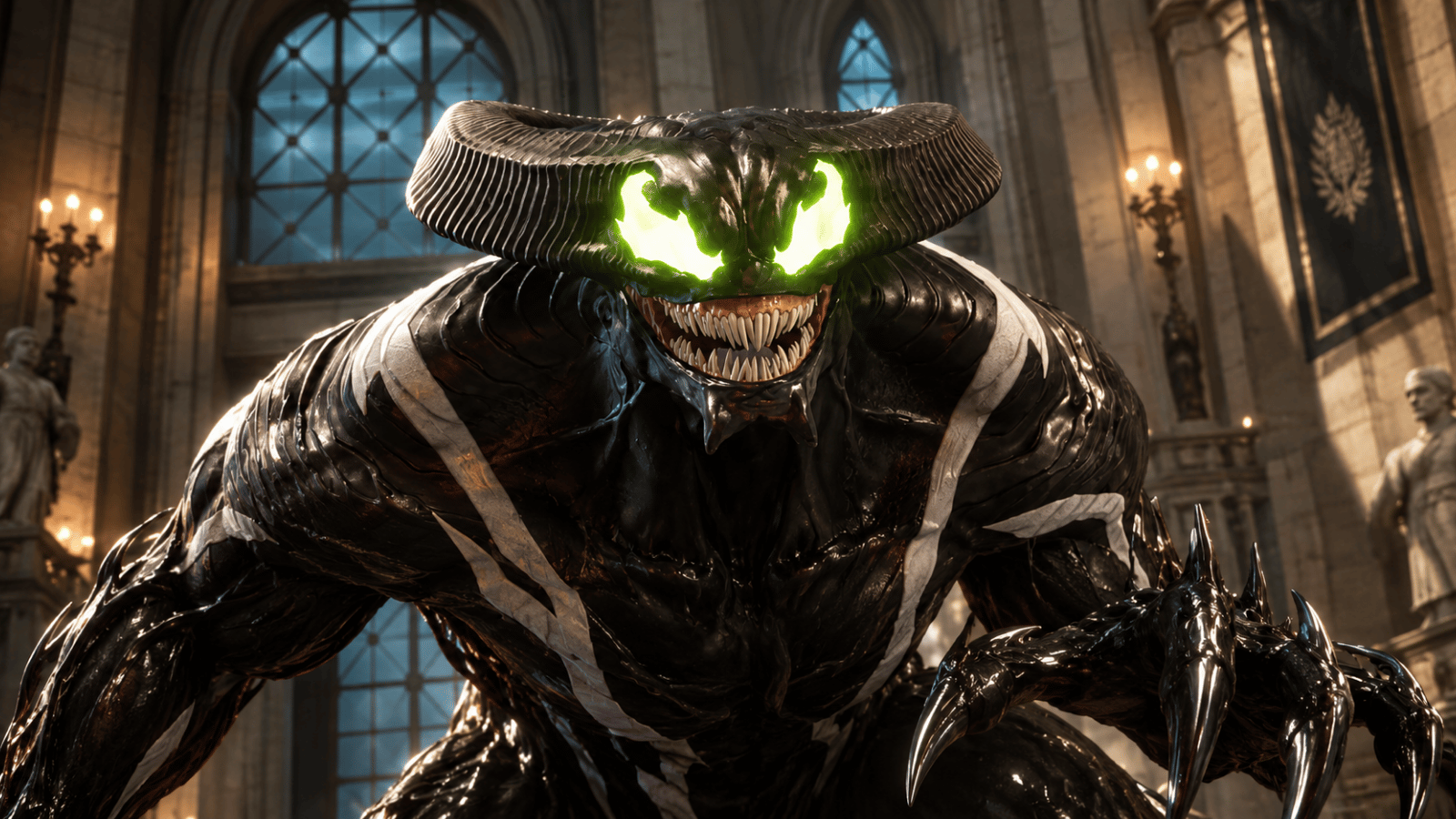
Firaxis Games · 2022 · Tactical RPG
The cards were the main reason I almost passed on Midnight Suns, because at first glance they made it look like a lightweight Marvel game. Once I played it, I liked how much there was to consider in a fight: which heroes to bring, where enemies were standing and how to use the abilities available that turn.
Each card represents something a hero can do, so the interesting part is working out how those abilities fit together with the battlefield. Positioning matters because a knockback can do more than move an enemy out of the way, and the environment gives you options beyond attacking whoever is closest. You can see what you have to work with and make a plan, which is a much better use of these characters than I expected when I first saw the system.
What surprised me more was how much I enjoyed the heroes between missions, when you return to the Abbey and spend time talking to them. Their personalities get more room than they would in a game that sends you straight into the next fight, and I liked getting to know the people I was putting on the team. If you already care about Marvel’s characters, there’s a good chance those conversations will be part of the appeal.
That doesn’t mean every conversation needed to be as long as it was, because there were times I wanted to get back to the combat. The Hunter, your customisable protagonist, also wasn’t as interesting to me as the established heroes around them, which becomes noticeable when so much of the story runs through that character.
I’d recommend Midnight Suns to someone who likes taking time over tactical decisions and enjoys the Marvel cast enough to hang around with them afterwards. If you want immediate action every time you sit down, the turn-based fights and long stretches of dialogue are worth considering before you buy it.
Sleeping Dogs
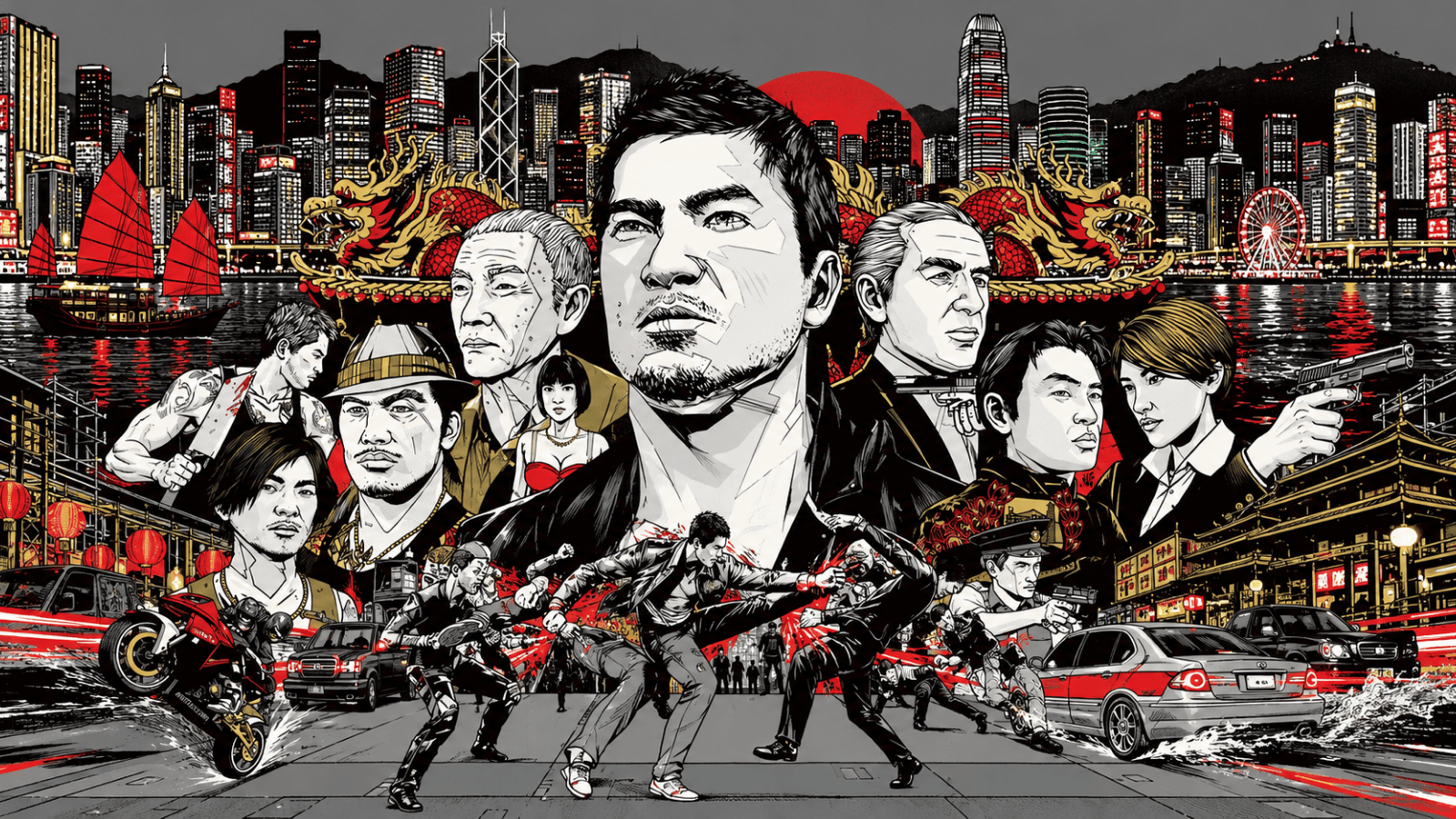
United Front Games · 2012 · Open-world action
Sleeping Dogs is the one the rest of us at TGK agree deserves more attention, because we’ve played it and enjoyed how well Hong Kong and the hand-to-hand fighting work together. You play Wei Shen, an undercover police officer infiltrating the Triads, and the people he gets close to make that job more complicated than simply catching the bad guys.
The GTA comparison is understandable when you see an open city, cars and criminal organisations, but it leaves out much of what we liked about this game. Fighting groups of enemies means watching for attacks, countering them, grabbing people and using objects around you, with the kind of rough, physical action you’d expect from a Hong Kong crime film.
Those fights are a big reason to play, especially if you enjoy the martial arts and improvised takedowns associated with Jackie Chan or Bruce Lee films. Getting surrounded gives you something to react to, and the environment makes a difference to how you deal with the group instead of serving as a background to another gunfight.
The setting contributes just as much, from the crowded streets to the markets and nightlife, while Wei’s divided loyalties give you a reason to care about the people in them. His police work keeps colliding with the relationships he needs to build undercover, and we found that more interesting than another story about climbing through a criminal organisation.
There are also chases and moving-vehicle hijacks to enjoy, although the driving isn’t as convincing as the fighting. Some of the open-world activities are weaker than the main missions, so I wouldn’t tell someone that every part deserves equal time just because we like the game.
Sleeping Dogs is the first one I’d recommend to someone who wants an open-world game from this list, particularly if they like crime films and want fights that make use of the space around them. It also missed Square Enix’s sales expectations despite its positive reception, according to the company’s 2013 financial briefing, which helps explain why a well-reviewed game still belongs in this discussion.
Driver: San Francisco
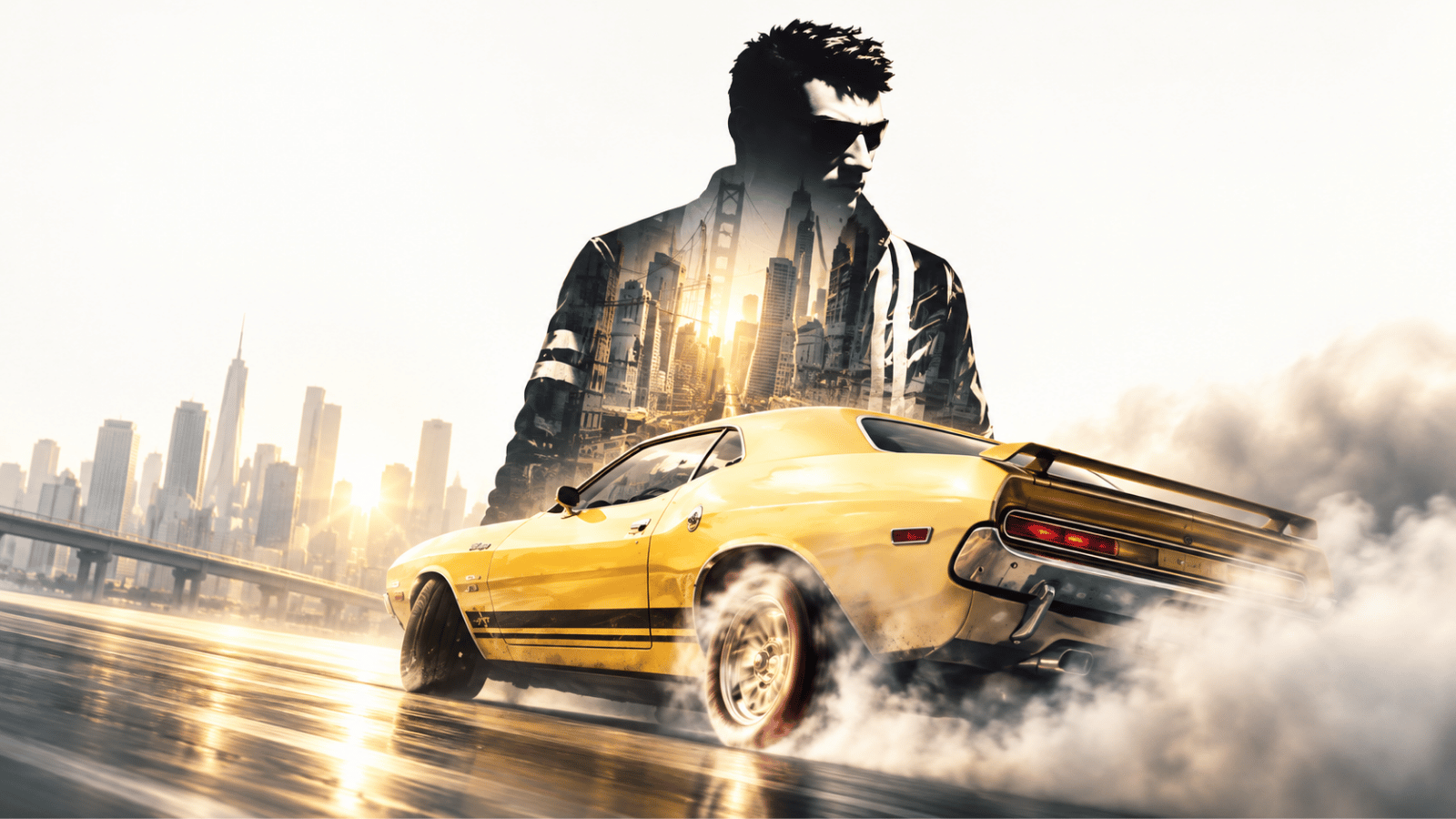
Ubisoft Reflections · 2011 · Driving action
I played through Driver: San Francisco and enjoyed it because the driving, car variety and city gave me plenty to do even before considering its strangest feature. That feature is Shift, which lets John Tanner leave one car and take control of another while the action carries on around him.
The story explains this through Tanner being in a coma, so you have to accept a strange premise before you start worrying about whether it makes sense. I thought the story was interesting enough to go with it, particularly because Shift gives you ways to approach driving that would be difficult to justify in a more conventional chase game.
If you’re pursuing someone, switching cars lets you approach the situation from another position rather than staying behind them for the whole chase. Ubisoft’s original gameplay demonstration showed how moving between vehicles changes what the player can do, and it remains the clearest reason to distinguish this from another game with a large garage.
I liked the arcade driving and the range of vehicles, because changing cars changes how it feels to move through San Francisco. The city’s hills and streets suit chases, and Shift makes the surrounding traffic part of how you play rather than something you only try to avoid.
A few missions were irritatingly difficult, so I wouldn’t pretend the campaign was enjoyable at every moment. There were parts I wanted to finish and move on from, but they didn’t undo how much I liked the driving or the freedom that Shift gives you.
The bigger problem for a new player is getting hold of it, because the game is delisted and an old store page doesn’t necessarily mean you can buy it. Microsoft lists it among Xbox One backward-compatible games, making a compatible Xbox 360 copy one practical route if you have the right hardware. I’d recommend finding a sensibly priced copy if driving games are your thing, although I wouldn’t pay a collector’s price just to see what Shift does.
Mirror’s Edge
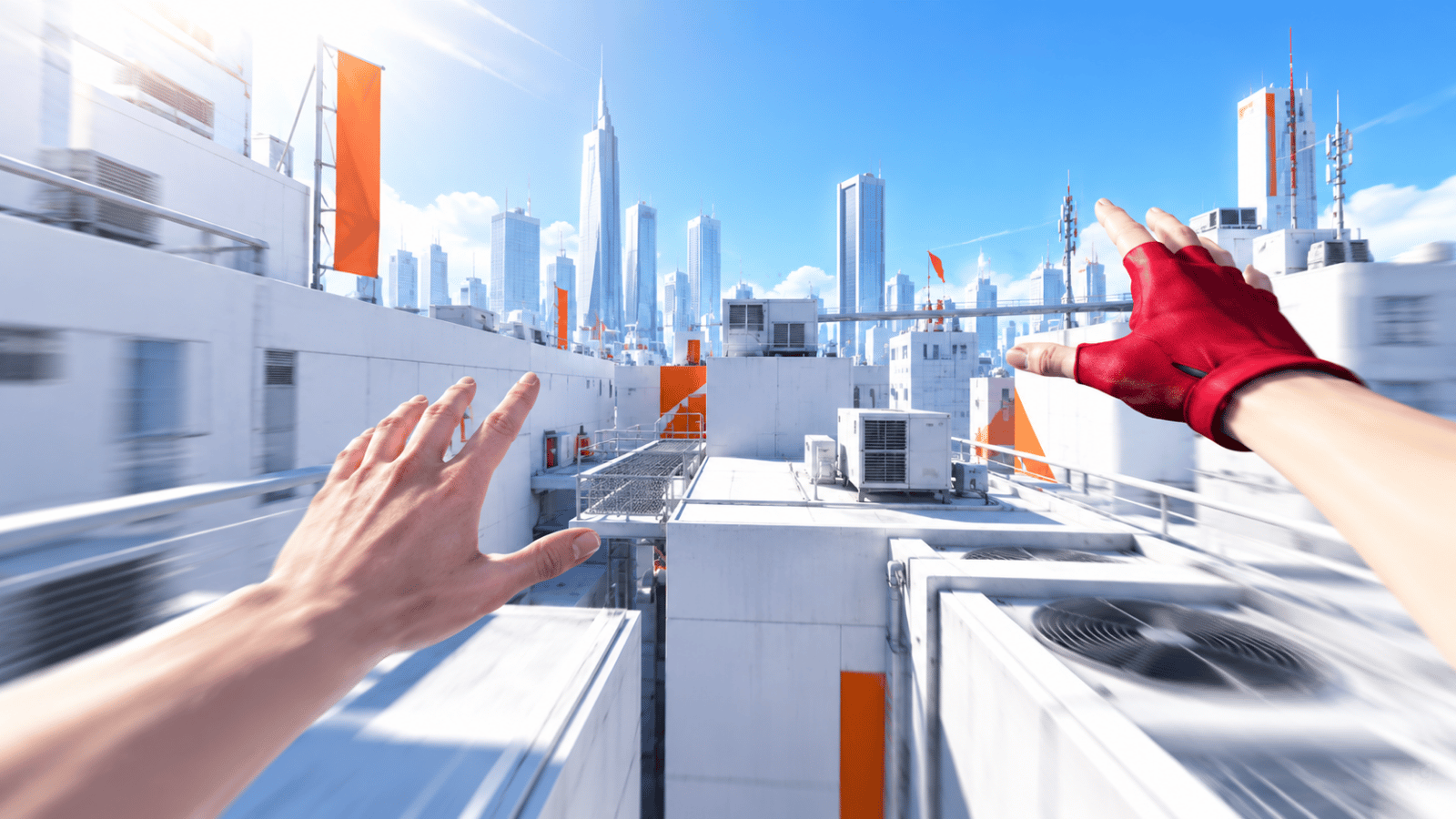
DICE · 2008 on consoles, 2009 on PC · First-person parkour
Mirror’s Edge is my least favourite of these five, although calling it underrated needs some qualification. I played it when it came out, and it felt like a big deal at the time, with its first-person parkour and bright city giving it an identity you recognised immediately. These days I think of it more as a classic, and returning to it brings back good memories alongside the frustrations.
This is the original game starring Faith, a runner carrying messages through a heavily monitored city, rather than the later Mirror’s Edge Catalyst. Running across rooftops, clearing gaps, and using walls to keep moving still feels good when everything comes together, while the first-person perspective makes choosing a route and judging each jump part of the challenge.
The clean buildings and strong colours help you read the route ahead, and the music is another part I remember fondly. The setting gives those stretches of running a distinctive atmosphere, which is a large part of why the game has stayed with me.
The combat was my main problem, because I wanted to keep running and climbing rather than stop to fight guards. I preferred how Assassin’s Creed mixed movement and fighting, while awkward jumps in Mirror’s Edge sometimes made an otherwise good run frustrating.
The campaign felt too short, especially when I wanted more time with the characters and the city. I’d still recommend it for the parkour, visual style and music, but its place here is closer to an older favourite worth revisiting than a forgotten game nobody appreciated.
Spec Ops: The Line
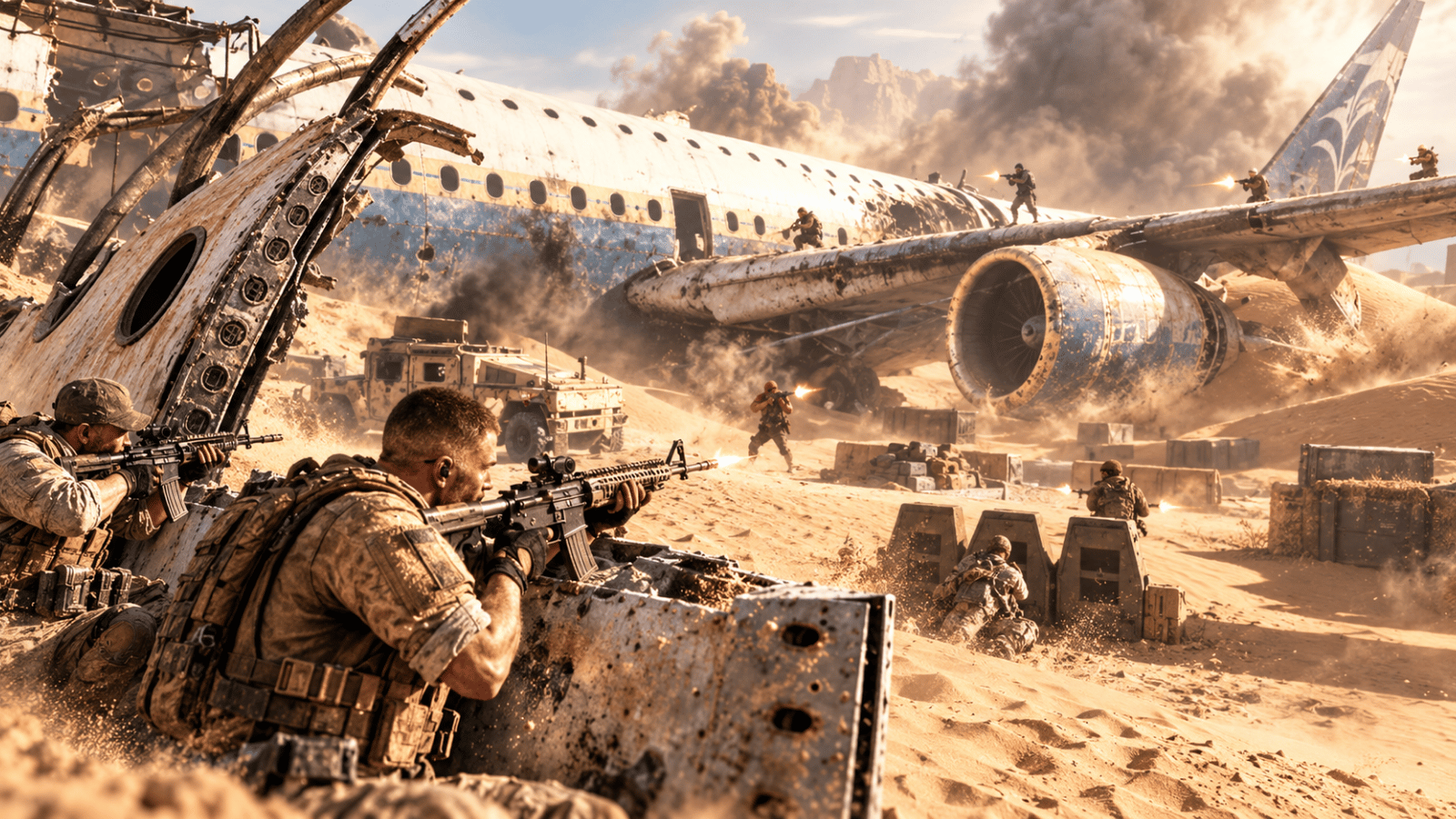
Yager Development · 2012 · Third-person military shooter
Spec Ops: The Line is the one I’d choose for its story, because it made me think about what I was doing in a way that most military shooters hadn’t. You play Captain Martin Walker, leading a team into a ruined Dubai to investigate what happened there, and the mission becomes increasingly difficult to justify as it continues.
Compared with the Call of Duty campaigns I knew, I felt less like the person arriving to save everyone and more like someone becoming part of the problem. That change mattered to me because the game keeps you with Walker as his explanations become harder to accept, rather than allowing every terrible outcome to belong to someone else.
Some scenes made me sad, and I kept thinking about the consequences after playing, which is why I don’t want to turn this recommendation into a list of plot twists. Going in without knowing the major events lets you form your own reaction, and the story loses a lot if somebody explains its most uncomfortable moments before you reach them.
The shooting is much less distinctive, with the cover-based combat you’d expect from a third-person military game of that period. I wouldn’t recommend it to someone looking mainly for varied gunplay, because what stayed with me was the situation and the characters rather than the weapons.
It’s also a short campaign with subject matter that can be exhausting, so I’d choose it when I wanted to follow a story rather than have a relaxed evening shooting enemies. For me, its effect was strong enough to outweigh the ordinary combat, although I understand why someone with different priorities might come away less impressed.
Finding it is now harder than recommending it, because Steam no longer sells the game. In its delisting statement reported by PC Gamer, 2K cited expiring partnership licences and said existing owners could continue to download and play it. If you already have it in your library, I’d give it a chance before paying for a used console copy.
Final Verdict
Sleeping Dogs is where I’d start if you want a game that combines an enjoyable city, strong fighting and a story worth following. Midnight Suns is the one I’m most glad I didn’t dismiss before playing, while Driver: San Francisco gives driving-game fans a good reason to look beyond the series they usually buy.
Spec Ops: The Line earns my highest score at 9.8/10 because its story had the greatest effect on me, and I’d recommend it when you’re in the mood for something heavy and can find a copy. Mirror’s Edge comes last for me because the combat and short campaign limit how much I can recommend it, although the movement, design and music still make it worth experiencing.
You don’t need all five in your backlog, and I wouldn’t pay inflated second-hand prices just because two have become harder to buy. Pick the one whose strengths suit what you enjoy, check the edition and hardware, and give it enough time to show you why we’re still talking about it.
Sources
- PC critic ratings: Marvel’s Midnight Suns, Sleeping Dogs’ original PC Steam listing, Driver: San Francisco, Mirror’s Edge, and Spec Ops: The Line.
- PC editions and pricing: Midnight Suns on Steam, Sleeping Dogs: Definitive Edition on Steam, Mirror’s Edge on Steam; SteamDB price tables for Midnight Suns, Sleeping Dogs: Definitive Edition, and Mirror’s Edge.
- Console versions and compatibility: Sleeping Dogs: Definitive Edition on Xbox, Mirror’s Edge on Xbox, Microsoft’s Xbox One backward-compatibility list, Spec Ops listed as Xbox One backward compatible, Midnight Suns’ PS4/Xbox One release and cancelled Switch version, and PlayStation’s PS5 disc-compatibility guidance.
- Background and availability: Square Enix’s March 2013 financial briefing, Ubisoft’s Driver: San Francisco demonstration, reported by Gematsu, Spec Ops’ Steam listing, and 2K’s delisting statement, reported by PC Gamer.